Diet for Depression How Nutrition Influences Mood, Energy, and Emotional Regulation
Diet for depression
Depression is often approached through psychology alone, yet mood is deeply shaped by what is happening in the body. Food influences brain chemistry, nervous system regulation, inflammation, gut health and energy production every single day.
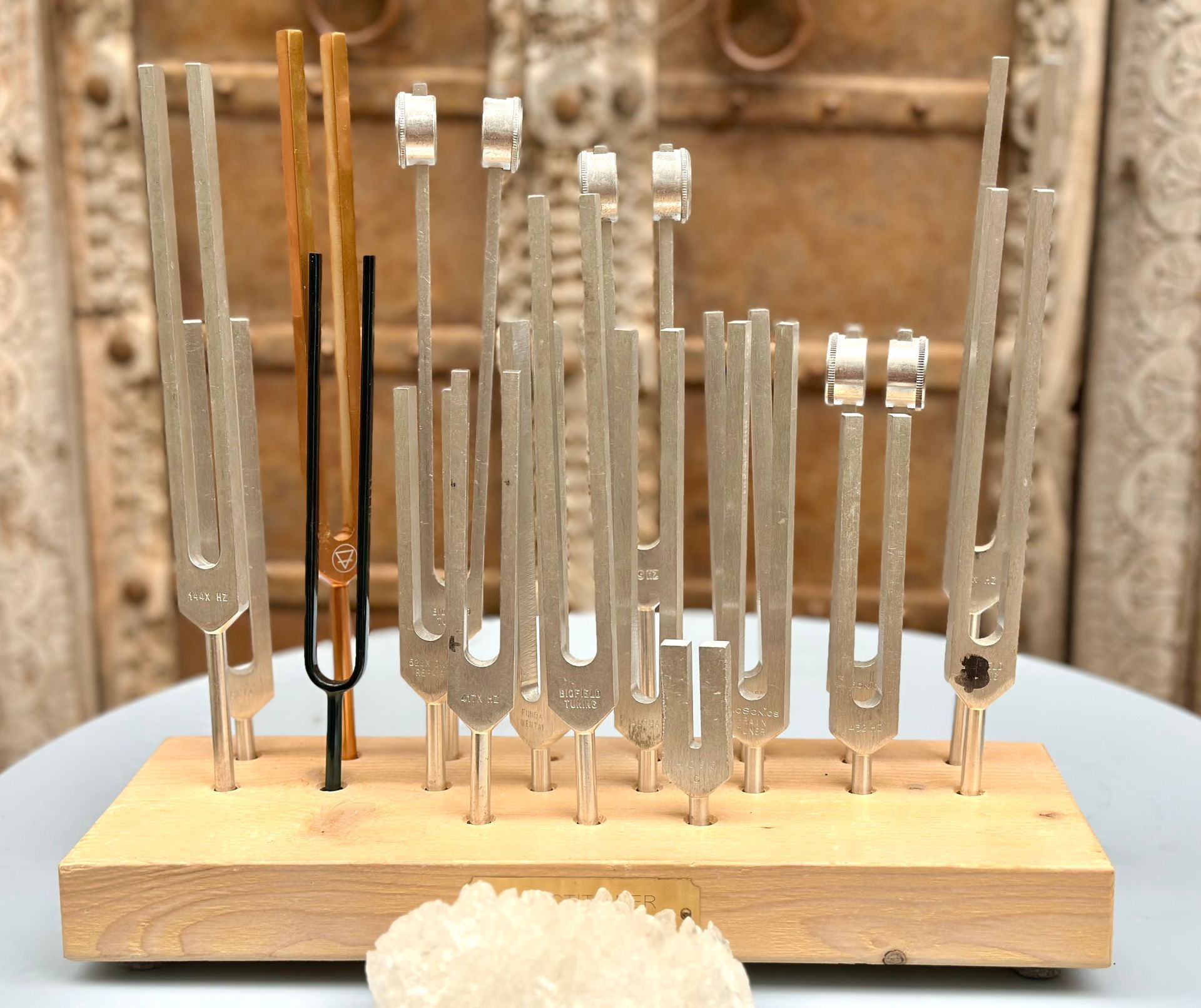
As an Integrative Dietitian, Somatic Therapist and Sound Therapist working with depression in Melbourne, I see how nutritional patterns can either support emotional healing or quietly reinforce low mood, fatigue and anxiety.
Diet does not replace therapy.
But it strongly influences the biological terrain in which healing occurs.
How Nutrition and Depression Are Connected
Depression is associated with changes across multiple body systems, including:
• Neurotransmitter production
• Inflammation and immune activity
• Blood sugar regulation
• Gut microbiome balance
• Stress hormone output
• Cellular energy production
Food provides the raw materials that these systems depend on. When nutrition is inadequate, inconsistent or highly processed, the nervous system struggles to regulate and emotional resilience declines.
Sugar, Processed Foods and Mood Instability
Diets high in added sugar and refined foods place significant stress on the nervous system.
Refined carbohydrates and sugar cause rapid rises and falls in blood sugar. These fluctuations can drive:
• Irritability
• Low mood
• Anxiety
• Fatigue
• Emotional reactivity
Over time, repeated blood sugar instability places strain on stress response pathways and worsens symptoms of depression and anxiety.
Highly processed foods also tend to be low in vitamins and minerals required for brain function. This creates a situation where calorie intake may be high, yet nutrient availability is low.
The result is a nervous system that is under fuelled and over stressed.
Alcohol, Mood and Nutrient Depletion
Alcohol has a direct effect on the brain and nervous system. While it may feel calming in the moment, it disrupts neurotransmitter balance and acts as a depressant over time.
Importantly, alcohol also depletes key nutrients involved in mood regulation, including:
• Magnesium
• B vitamins
• Zinc
• Other metabolic cofactors
Alcohol increases nutrient loss through the kidneys and impairs absorption in the gut. Over time, this can contribute to fatigue, low mood, anxiety and reduced stress tolerance.
For people already experiencing depression, alcohol often worsens symptoms rather than relieving them.
Magnesium and Emotional Regulation
Magnesium plays a central role in nervous system regulation.
It is involved in:
• Stress response modulation
• Neurotransmitter balance
• Muscle and nerve relaxation
• Sleep quality
• Emotional steadiness
Low magnesium intake has been associated in research with higher rates of depressive and anxiety symptoms.
Diets high in sugar, processed foods and alcohol increase magnesium demand while providing very little magnesium in return. This combination can significantly strain the nervous system and worsen emotional symptoms.
When Genetics Increase Sensitivity to Diet and Stress
Not everyone responds to food in the same way.
Research in nutrigenomics shows that genetic variation influences how individuals process nutrients, regulate stress and produce neurotransmitters. Certain genetic patterns can increase sensitivity to nutrient depletion and metabolic stress.
When these genetic susceptibilities are present, diets high in sugar, refined foods and alcohol can have a more pronounced impact on mood, anxiety and stress regulation.
This does not mean genetics determine outcome.
It means that personalised nutrition becomes even more important.
Inflammation, Diet and Depression
Chronic low grade inflammation is increasingly linked with depression.
Processed foods, excess sugar and alcohol contribute to inflammatory signalling in the body. Inflammation affects brain function, neurotransmitter activity and energy metabolism.
Anti inflammatory nutrition supports:
• Brain health
• Emotional regulation
• Energy levels
• Nervous system resilience
Whole foods and dietary diversity are key protective factors.
What a Supportive Diet for Depression Looks Like
Rather than restriction or perfection, a depression supportive diet focuses on nourishment and consistency.
This typically includes:
• Regular meals to stabilise blood sugar - eating every 3-4 hours
• Adequate protein at each meal
• A wide range of vegetables and plant foods- more than 1/2 plate for lunch and dinner
• Healthy fats from whole food sources- keep to avocado, olive oil, pumpkin and sunflower seeds, walnuts
• Fibre to support gut health
• Adequate hydration and mineral intake- including herbal tea (no caffeine pls)
Consistency matters more than strict rules.
Appetite Changes and Depression
Depression often alters appetite and motivation around food.
Some people eat very little. Others rely on convenience foods due to low energy.
Both responses are understandable.
Nutritional support for depression focuses on meeting the body where it is and building capacity gradually rather than adding pressure.
Nutrition and Nervous System Healing
From a somatic perspective, the nervous system cannot regulate without sufficient fuel.
Low blood sugar, mineral depletion and inflammation all increase nervous system stress and make emotional processing more difficult.
When nutrition is stabilised, therapy becomes more effective and integration improves.
This is why I always assess nutrition alongside somatic and emotional work.
Diet Is Not a Standalone Treatment
It is important to be clear.
Diet alone does not resolve depression. Depression is multi layered and influenced by nervous system patterns, emotional history, life context and stress exposure.
Nutrition supports the body so that healing work can land and be sustained.
Diet for Depression Support in Melbourne
If you are seeking depression support in Melbourne that integrates nutrition, nervous system regulation and emotional healing, an integrative approach offers a more complete and supportive pathway.
Food is information for the body.
When the body is nourished, it has greater capacity to regulate and recover.
Ready for Personalised Support
If you would like support with diet for depression alongside somatic therapy and nervous system regulation, I invite you to book a session.
Together, we address the biological foundations that support mood, energy and emotional resilience.
Book your nutrition or somatic therapy session here
Sending love,
Anca Vereen
Integrative Dietitian, Somatic Therapist, Sound Therapist