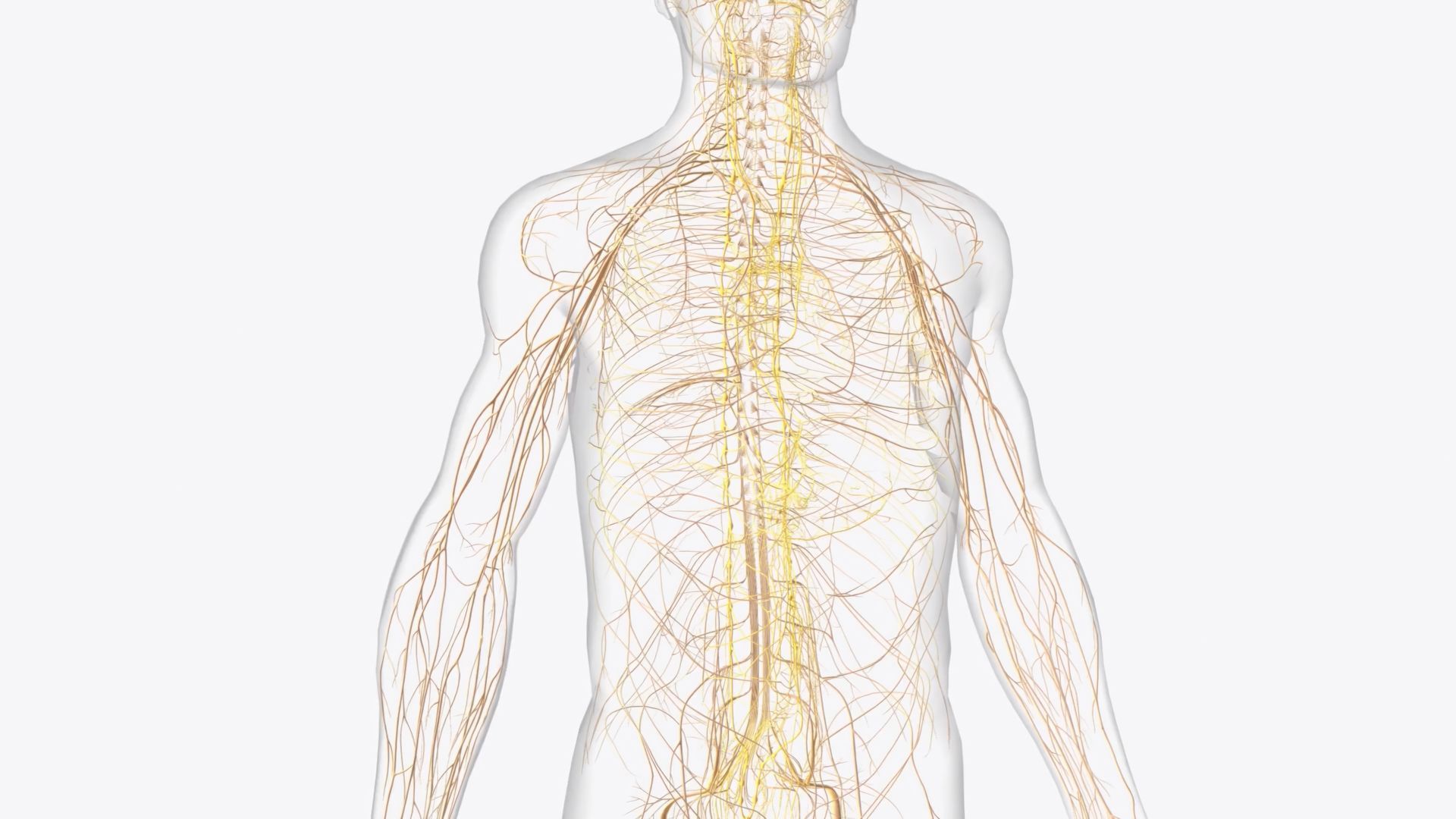
What Is Nervous System Dysregulation? Signs, Causes and How to Restore Balance
WHAT IS NERVOUS SYSTEM DYSREGULATION?
Have you ever felt like your body is no longer responding the way it once did?
You wake feeling tired despite sleeping. You know what you need to do but struggle to find the energy to do it. Small tasks begin to feel overwhelming. Your patience becomes shorter. You feel more emotional, more reactive or more anxious than you used to. At the same time, your digestion may change, your sleep may become lighter, your concentration may suffer and you can find yourself wondering why everything suddenly feels harder than it should.
For many people, these experiences seem completely unrelated. Fatigue is viewed as a sleep issue. Anxiety is viewed as a mental health issue. Digestive symptoms are viewed as a gut issue. Brain fog is blamed on age, hormones or stress. Because the symptoms appear different on the surface, people often spend years trying to address them individually without ever understanding what may be connecting them.
What many people do not realise is that these symptoms can be different expressions of the same underlying process. They can be signs that the nervous system is struggling to regulate itself effectively.
Your nervous system influences every aspect of your experience. It determines how you respond to stress, how quickly you recover from challenges, how much energy is available to you, how safe you feel in your body, how deeply you sleep and how effectively your body can perform its countless functions. Every thought, emotion, sensation, behaviour and physiological process is influenced by the state of this system. It is constantly gathering information from both within your body and from the world around you, assessing what is happening and deciding where resources should be directed.
When your nervous system is functioning well, there is a natural flexibility to the way you move through life. You can experience stress without becoming overwhelmed by it. You can feel emotions without being consumed by them. You can adapt to challenges and then return to a state of balance once those challenges have passed. Difficult experiences still occur and life remains unpredictable, but your body has the capacity to respond and recover.
Nervous system dysregulation occurs when that flexibility begins to diminish.
Rather than responding to a challenge and returning to balance, the body can become stuck in patterns of protection. These patterns are not evidence that something is wrong with you. In fact, they are evidence that your body has been attempting to help you adapt. At some point your nervous system learned that it needed to become more vigilant, conserve more energy, remain more alert or disconnect from certain experiences in order to cope with what was happening around it. The difficulty is that these protective responses can continue long after the original challenge has passed.
This is one of the reasons so many people become frustrated with themselves. They know they are safe. They know life is not as difficult as it once was. They know they should feel better by now. Yet their body continues responding as though it is carrying a burden that has not been resolved. Anxiety remains. Fatigue persists. Sleep continues to be disrupted. Concentration becomes difficult. The body behaves as though it is still trying to protect itself from something.
How The Nervous System Learns To Protect You
To understand why this happens, it is helpful to understand what the nervous system is actually trying to do.
The primary role of your nervous system is not happiness, productivity or success. Its primary role is survival. It is constantly assessing whether you are safe, whether you have the resources required to meet the demands being placed upon you and whether there is a need to prepare for action, recovery or protection. These assessments occur automatically and often outside of conscious awareness.
If the nervous system perceives that the demands being placed upon you exceed your available resources, it begins adapting. Initially these adaptations can be helpful. You may become more alert during stressful periods. You may push through challenges when additional effort is required. You may temporarily ignore fatigue, emotions or discomfort in order to manage a situation. The problem arises when these adaptations become the new normal.
Many people live for months, years and sometimes decades in a state of chronic activation without realising it. They become so accustomed to feeling stressed, busy, exhausted or overwhelmed that it begins to feel normal. Their body adapts to functioning in survival mode and they gradually lose touch with what genuine regulation feels like.
This process is rarely caused by a single event. More often it develops through the accumulation of experiences over time. Chronic stress, relationship difficulties, financial pressures, caring responsibilities, illness, loss, trauma, poor sleep, inadequate recovery and years of placing everyone else's needs ahead of your own can all contribute to the gradual depletion of the system.
The nervous system does not separate these experiences into neat categories. It simply responds to the total load it is carrying. Eventually there comes a point where the body begins communicating that the load has become greater than its capacity to comfortably manage.
Why Symptoms Begin To Appear
This is often the stage where symptoms begin emerging more clearly.
For some people the symptoms are primarily emotional. They feel anxious, overwhelmed, irritable or emotionally exhausted. For others the symptoms are physical. They experience digestive issues, headaches, muscle tension, poor sleep, fatigue or persistent aches and pains. Some notice changes in concentration and memory. Others feel disconnected from themselves, numb or unable to experience the same level of joy and engagement they once did.
Although these symptoms appear different, they often reflect the same underlying reality. The body is directing its resources towards protection rather than restoration.
Every function within your body requires energy. Thinking requires energy. Digestion requires energy. Hormone production requires energy. Healing requires energy. When the nervous system believes protection is the priority, resources are redirected accordingly. Over time this can influence many of the systems people commonly seek help for.
This is one of the reasons symptoms frequently occur together. The body is not malfunctioning in multiple places simultaneously. More often, there is a broader shift occurring within the system that is affecting multiple functions at once.
When viewed from this perspective, symptoms begin making sense. They stop appearing as random inconveniences and start revealing important information about what the body is experiencing.
The Body Is Communicating, Not Failing
One of the most important shifts I help clients make is moving away from the belief that their body is working against them.
Most people spend years fighting symptoms. They become frustrated with their anxiety, angry at their fatigue and disappointed by their inability to function the way they once did. They judge themselves for not coping better and often push harder in an attempt to regain control.
The problem is that symptoms are often the very thing trying to guide us towards what needs attention.
Fatigue may be communicating a need for recovery.
Anxiety may be highlighting a lack of safety within the system.
Brain fog may indicate that resources have become depleted.
Emotional overwhelm may reflect a nervous system that is carrying more than it currently has the capacity to process.
This does not mean symptoms should be ignored. It means they deserve to be understood.
Your body is constantly communicating through sensations, emotions, energy levels, tension patterns, sleep quality, digestion and countless other signals. The challenge is that many of us were never taught how to listen. Instead, we learned to override, suppress, distract ourselves or push through discomfort in order to meet the demands of daily life.
Over time this can create a profound disconnect from the body. The signals continue, but we lose the ability to interpret them.
Why Body Awareness Matters
Healing begins with awareness.
You cannot respond to information you do not perceive. You cannot support a nervous system whose signals you do not recognise.
One of the most valuable skills you can develop is the ability to notice what is happening within your body before symptoms become overwhelming. This includes becoming aware of sensations, emotions, breathing patterns, energy levels, tension and subtle shifts that occur throughout the day.
This process is known as interoception, which refers to your ability to sense and interpret internal bodily signals. It plays a central role in nervous system regulation because it allows you to recognise what your body needs and respond appropriately.
Many people have spent years disconnected from these signals. They know what they think, but they have little awareness of what they feel. Rebuilding this connection takes practice, but it is one of the foundations of long term healing and self leadership.
When you begin listening to your body, you develop a different relationship with it. Rather than seeing symptoms as problems to eliminate, you begin seeing them as information that can guide your choices and support your wellbeing.
How Somatic Therapy Supports Nervous System Regulation
This is where somatic therapy can be particularly valuable.
Somatic therapy works with the body as well as the mind. Rather than focusing exclusively on thoughts, it helps you develop awareness of the relationship between sensations, emotions, behaviours and nervous system responses.
Many people understand why they feel the way they do. They can explain their history, identify their stressors and describe their patterns in great detail. Yet despite this understanding, their body continues responding in the same way.
This is because insight alone does not always create change.
The nervous system often requires new experiences that help it learn safety, flexibility and regulation.
Through somatic therapy, you learn to recognise patterns earlier, understand your body's signals more clearly and develop the capacity to respond differently. Over time, many people experience greater emotional stability, improved resilience, increased self awareness and a stronger sense of trust in themselves and their body.
The goal is not to eliminate stress or difficult emotions. The goal is to develop the capacity to remain connected to yourself while moving through them.
Final Thoughts
Nervous system dysregulation does not mean you are broken.
More often, it reflects a body that has been adapting to the demands, experiences and pressures it has encountered throughout life. The symptoms you experience are not random. They are often meaningful signals that your body is attempting to communicate.
When you begin understanding the role of the nervous system, many things start making sense. The anxiety, fatigue, overwhelm, digestive symptoms, brain fog and emotional reactivity stop feeling like separate problems and begin revealing a broader story about what your system has been carrying.
From that place, healing becomes less about fighting your body and more about understanding it.
The more you learn to listen to your body, support its needs and work with its natural intelligence, the greater your capacity for regulation, resilience and wellbeing becomes.
Book your
FREE 15 minute chat to learn how somatic therapy can help you better understand your nervous system, reconnect with your body and support lasting change.
Struggling with anxiety, stress or burnout?
I'm Anca Vereen, a Somatic psychotherapist, Sound Therapist and Integrative Dietitian in Melbourne. If you need help improving your energy, restoring calm and wellbeing lets have a chat and see if my approach may suit your circumstances.
[Book a Free 10-Minute Chat]